History
The name Wilder Mann was first mentioned in a document in 1517 when the house received a tavern right, i.e., the right to serve drinks. The architectural origin of today's hotel property also dates back to this time. The two houses depicted in Martin Martini's 1597 city plan at the current location were rebuilt at the beginning of the 18th century.
read more
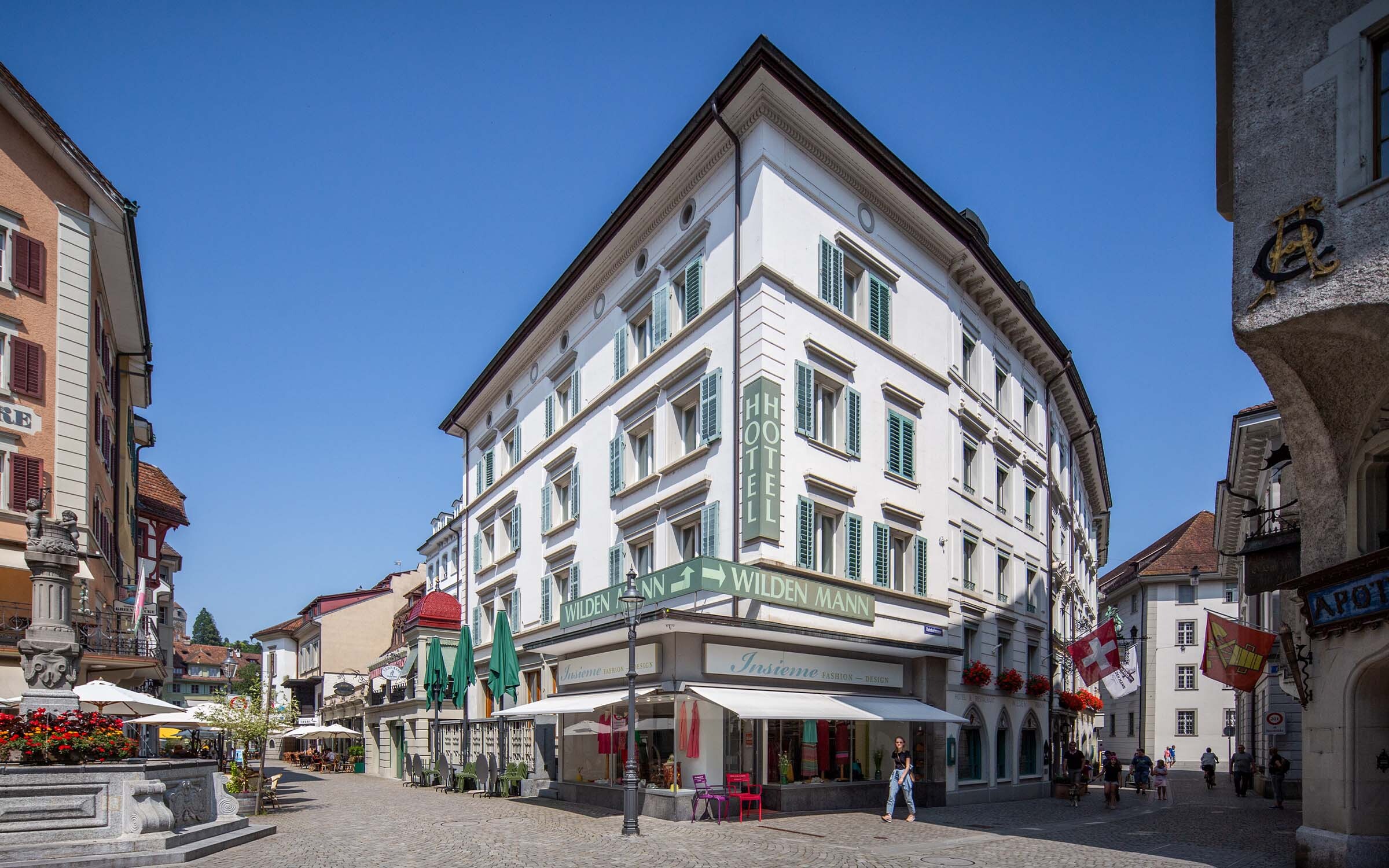
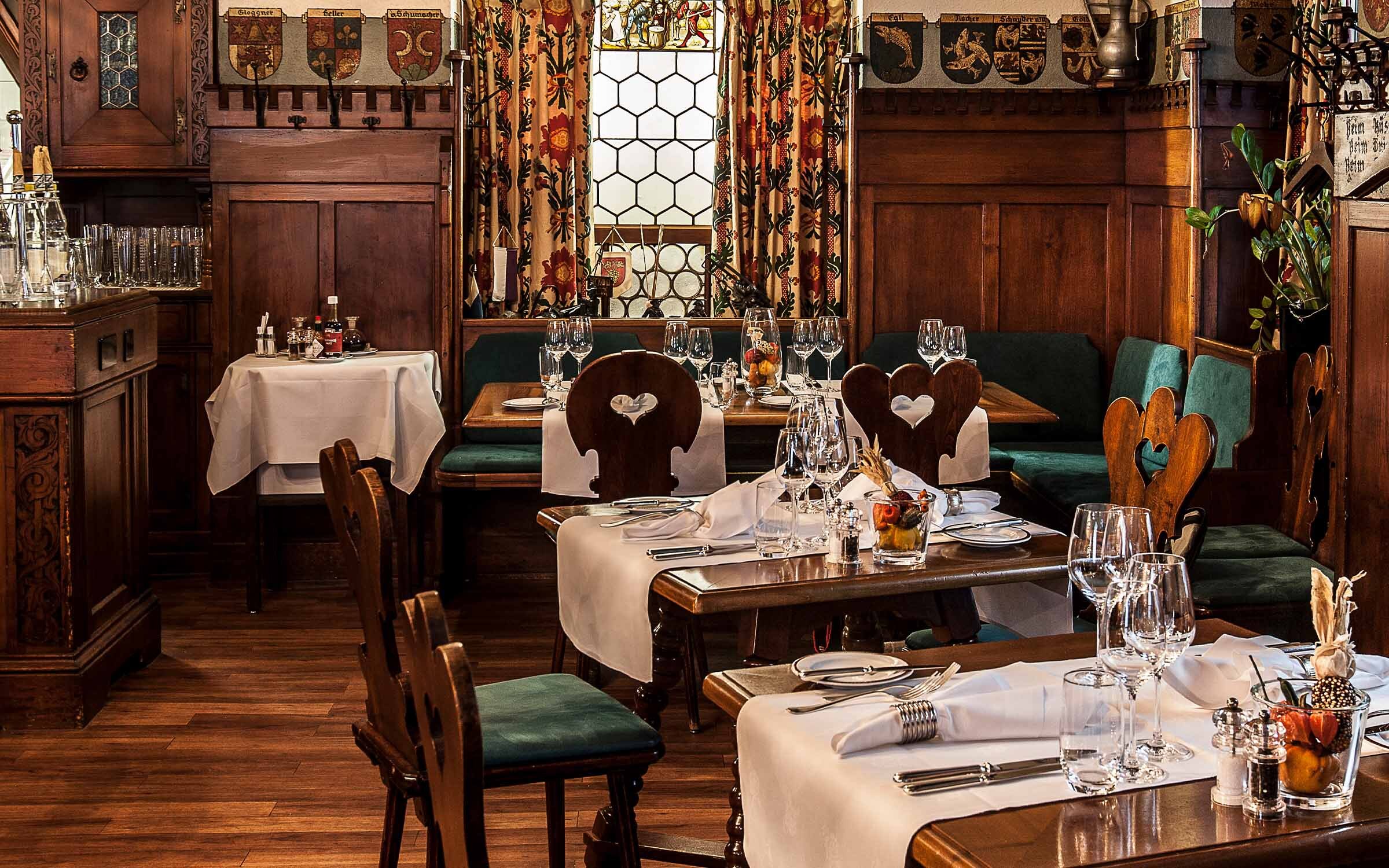
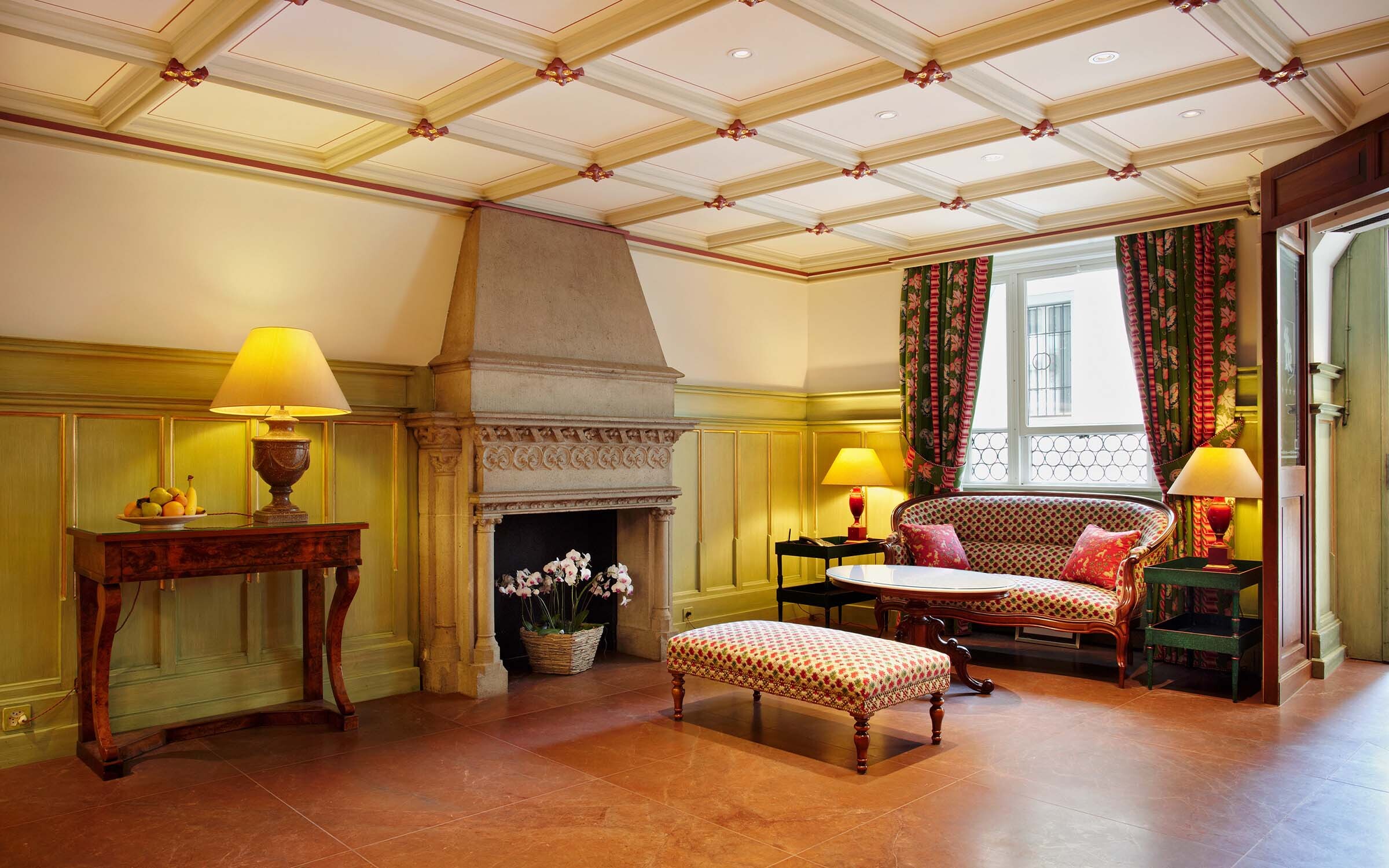
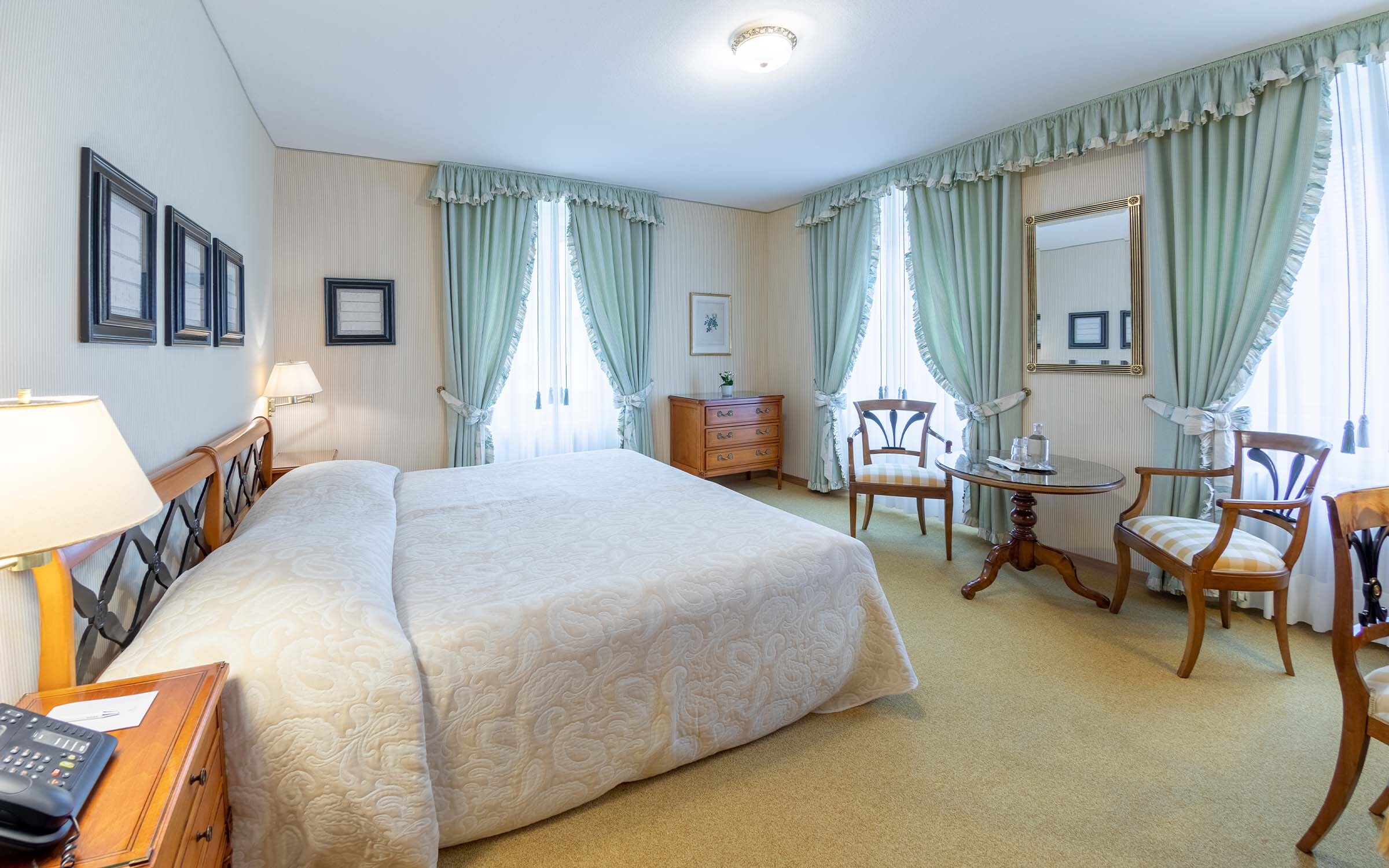
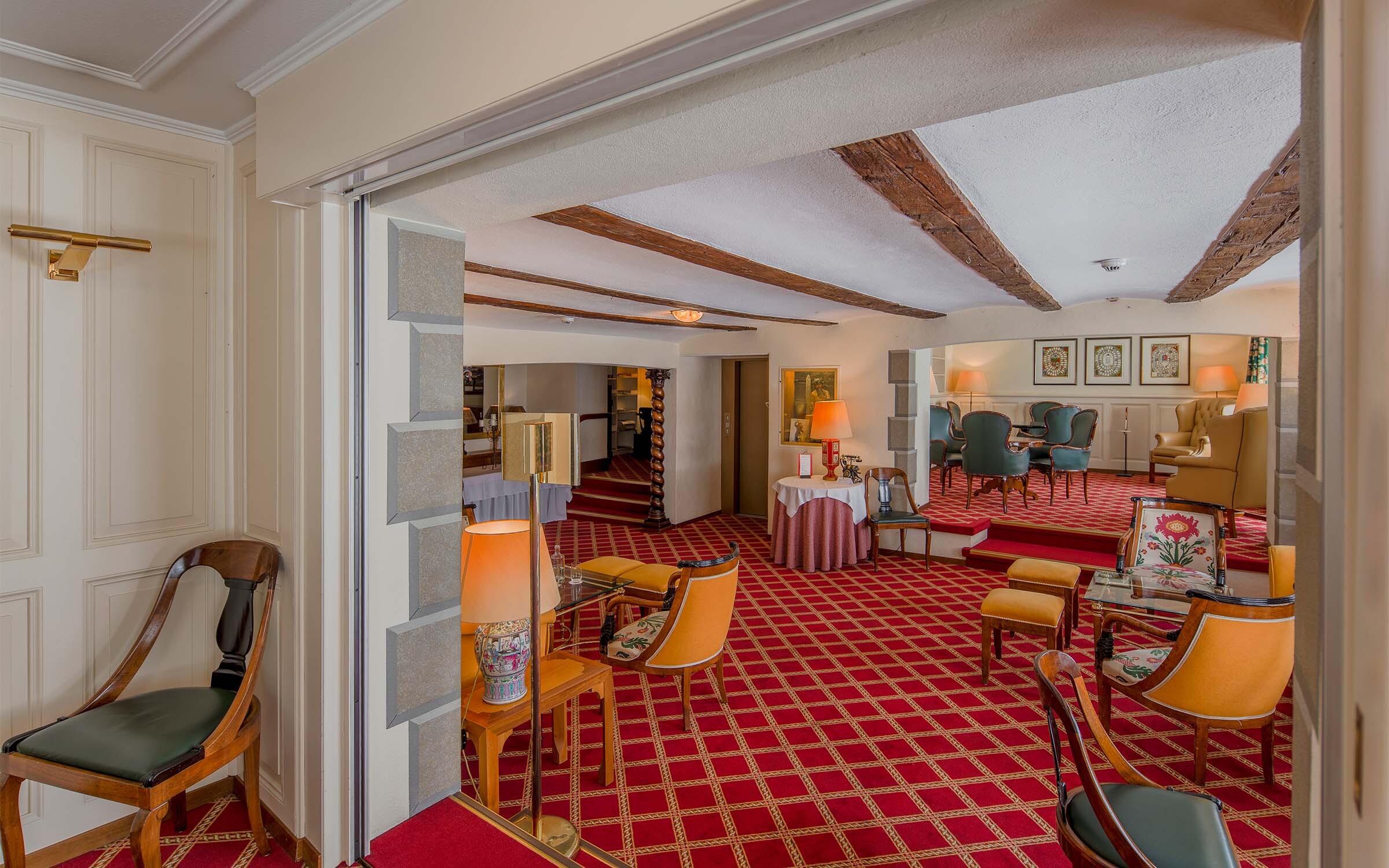
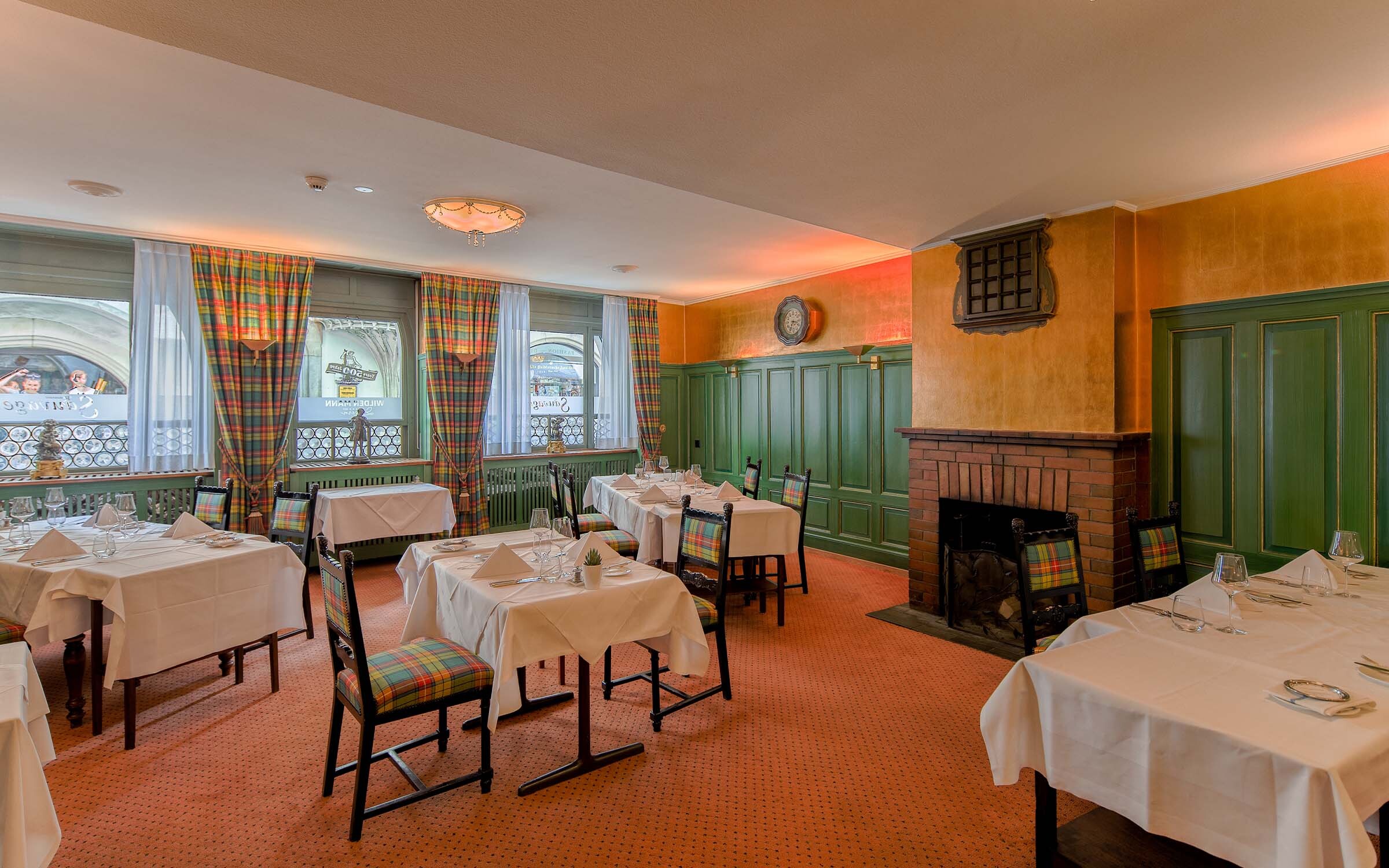
The name Wilder Mann was first mentioned in a document in 1517 when the house received a tavern right, i.e., the right to serve drinks. The architectural origin of today's hotel property also dates back to this time. The two houses depicted in Martin Martini's 1597 city plan at the current location were rebuilt at the beginning of the 18th century. In 1726, the Wilde Mann received the tavern right, and outbuildings with stables and a washhouse were added on the ground floor. In the second half of the 19th century, the rapidly increasing number of visitors to Lucerne promoted hotel construction. The Wilde Mann also benefited from this, officially registered as a hotel in 1860. During this time, the operation could gradually expand to other properties. A first accent was set in 1861 with the conversion of the washhouse on Münzgasse into a new building with three floors. Further conversions and extensions, as well as a terrace on the west side on Burgerstrasse, followed in the same decade. In 1897, the Wilde Mann expanded again by connecting the houses at Burgerstrasse 7 and 9, and in 1908, a conversion and extension was built at Bahnhofstrasse 28. Today, the hotel operation extends over a total of seven houses. The entire complex can be considered a significant witness to Lucerne's tourism history. Faithfully restored facades from the second half of the 19th century characterize the varied appearance of today's building complex. Particularly valuable are the richly articulated entrance facades on Bahnhofstrasse. Among the interiors, the Burgerstube, newly designed in the neo-Gothic style in 1908, deserves special attention. With its colorfully painted carvings, walls and ceiling beams with painted coats of arms, windows with leaded panes and stained glass, as well as the original chandeliers and contemporary furniture, it forms a valuable total work of art from the Belle Epoque. Since 2008, the hotel has been a member of Swiss Historic Hotels.